
[:it]
di Benedetta Frezzotti
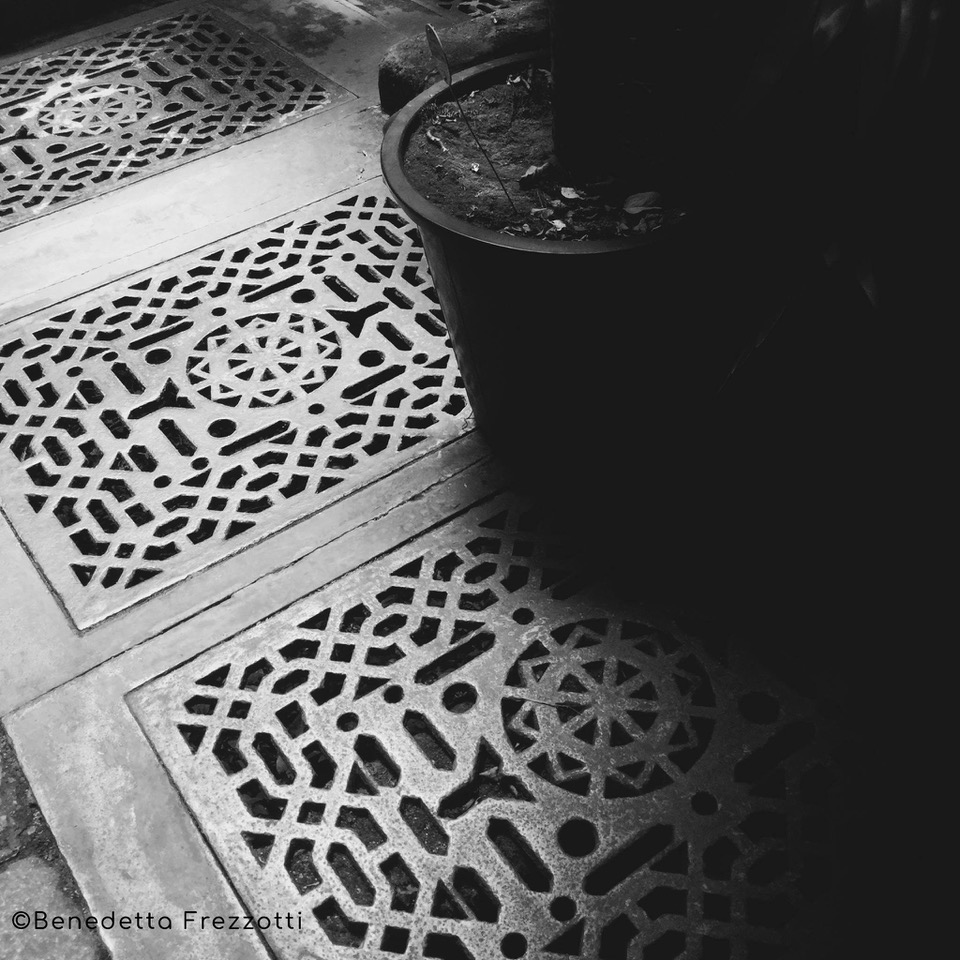
Quando è nata la fotografia era in bianco e nero e lo è stata per anni, virtuosi della fotografia e del cinema hanno perfezionato finezze e tecniche specifiche per ricavare il meglio dai loro scatti. Quando sono arrivate le prime pellicole a colori la resa era poco realistica, c’era un’eccessivo effetto pastello per i palati fini, e quindi considerato un po’ “cheap”. Per questo sopratutto nel foto giornalismo e nell’arte, per anni si è continuato a scattare in bianco e nero.
Questa consuetudine è entrata talmente tanto nel nostro immaginario che siamo portati a ritenere di più credibile una foto di cronaca in bianco e nero che una a colori.
Oltre a questo, il bianco e nero è anche capace di riportarci subito a una atmosfera misteriosa, da film Noir appunto. Un buon contrasto di luci ci rimandano immediatamente alla mente Humphrey Bogart in Casablanca o nei panni del detective Marlowe.
I nostri cellulari ci permettono, a seconda del modello, di scattare in bianco e nero o di convertire i nostri scatti; ma come ottenere il massimo dalle nostre foto?
La prima cosa è abituarsi a guardare i rapporti luce ombra e le silhouette più che i colori: un buon trucco è socchiudere gli occhi (questo elimina molte sfumature e rende più facile controllare i contrasti). In questo modo puoi mantenere un maggior controllo sull’inquadratura.
Cercate situazioni con un buon contrasto luce ombra, e se necessario provare a sovraesporre leggermente la foto. Contate che perdendo il colore, perdete informazioni e di conseguenza leggibilità quindi soggetti in Silhouette con contrasti di luci forti sono resteranno più chiari nella foto finale.
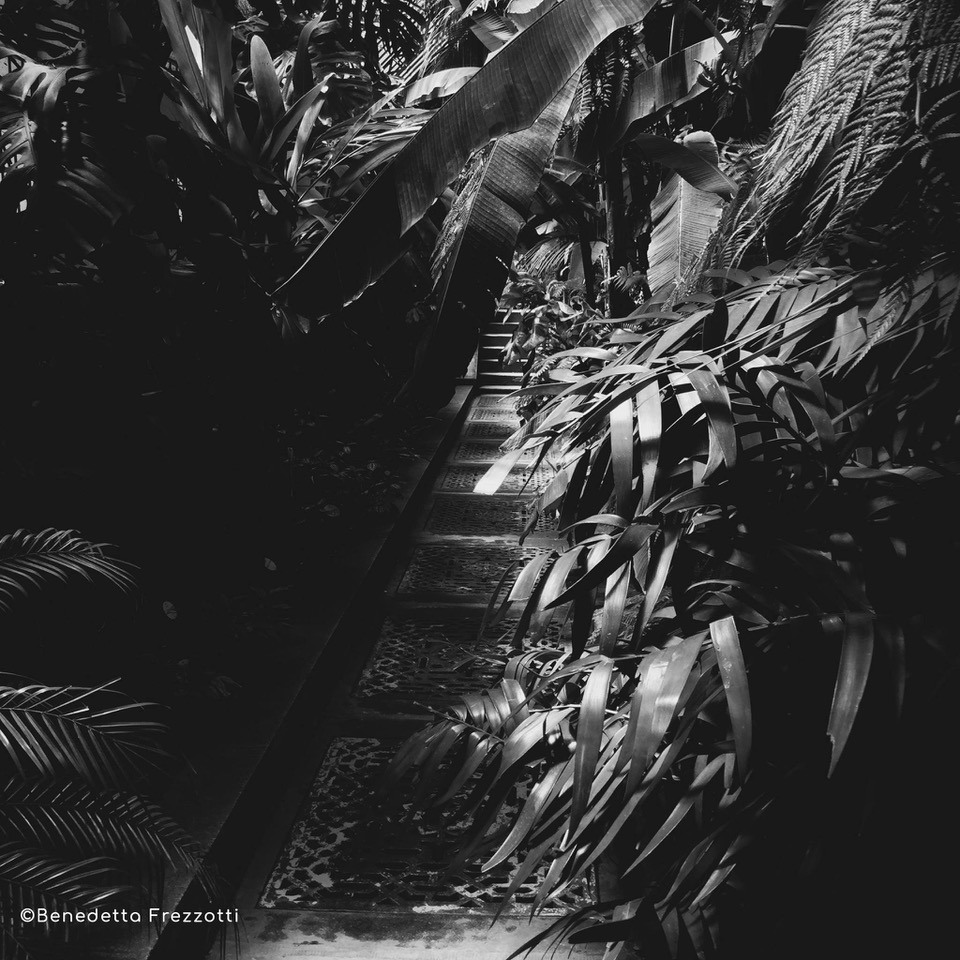


Un ultimo consiglio: il bianco e nero smorza dalle imperfezioni dovute a grana eccessiva, quella dovuta agli ISO. Per questo può essere una ottima scelta per scatti con poca luminosità come notturni d’atmosfera e serate a lume di candela.
[:en]
by Benedetta Frezzotti
When photography was born it was in black and white and has been for years, the virtuosos of photography and film have perfected subtleties and specific techniques to get the best from their shots. When the first color films arrived, the rendering was unrealistic, there was an excessive pastel effect for fine palates, and therefore considered a bit “cheap”. For this reason, especially in photojournalism and art, for years we have continued to shoot in black and white.
This custom has entered so much into our imagination that we are led to believe in a more credible black and white news photo than a color one.
In addition to this, black and white is also able to immediately bring us back to a mysterious atmosphere, from the film Noir. A good contrast of lights immediately reminds us of Humphrey Bogart in Casablanca or in the role of detective Marlowe.
Our phones allow us, depending on the model, to shoot in black and white or to convert our shots; but how to get the most out of our photos?
The first thing is to get used to looking at relationships and silhouettes of light shadows rather than colors: a good trick is to squint your eyes (this eliminates many nuances and makes it easier to control contrasts). This way you can maintain greater control over the frame.
Look for situations with a good contrast of light shadows and, if necessary, try to slightly overexpose the photo. It counts that losing color, you lose information and therefore legibility, so the subjects in Silhouette with strong light contrasts will remain clearer in the final photo.
One last tip: white and black softens imperfections due to excessive grain, due to ISO. For this it can be a good choice for low-light shots
[:]